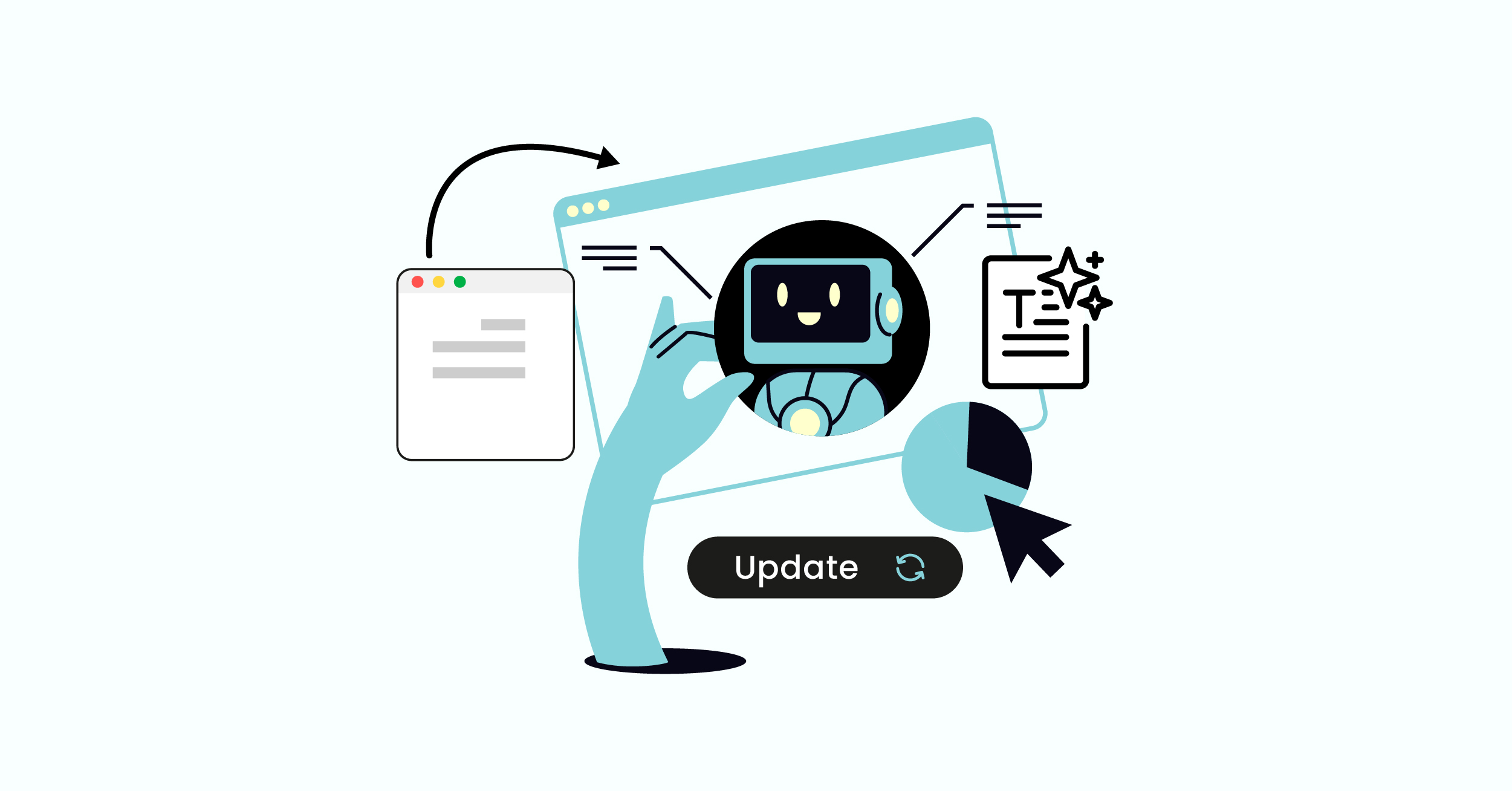
A content refresh for AI search is one of the fastest ways to regain visibility, especially when your pages are still earning impressions but losing clicks.
It has become one of the most impactful things you can do right now to make sure you’re showing up across LLMs, where your audience is. Plus, it’s more efficient to boost your old content and make it AI-ready than to spend time and resources building content from scratch.
How Is AI Search Different From Traditional Google Rankings?
Traditional search engines rank pages based on signals like backlinks, keyword relevance, and engagement, whereas Generative AI systems parse content and select only the relevant paragraphs, definitions, and data points to form an answer, so your job is to make key answers self-contained and easy to attribute
Research from Ahrefs found that AI assistants cite content that’s, on average, 25.7% fresher than content in traditional organic results. We broke down the entire process to help you refresh your content for AI search as seamlessly as possible.
Which Pages Should You Prioritize for an AI Content Refresh?
Before you start rewriting, figure out which pages are actually worth refreshing. Look for pages in Google Search Console with decent impressions but declining clicks, as these are pages that are still being surfaced but losing ground. Cross-reference with your traffic data and ask: Does this page still map to something people are genuinely searching for? The most valuable candidates for a content refresh for AI search tend to be:
- Evergreen how-to guides that still address real questions
- Listicles or comparison posts with outdated entries
- Posts that explain concepts central to your product or service
- Pages that get internally linked often, or that sales and support teams reference regularly
Note: Posts that were written only to hit a keyword target, with no real expertise behind them, are better off deleted than deserving a content refresh for AI search.
How Do You Know If You’re Due for a Content Refresh for AI Search?
Outdated statistics, old screenshots, and references send signals that your content is not relevant and, by default, not trustworthy enough to cite. AI systems are increasingly good at cross-referencing claims against other sources. If your post cites a study published in 2021 or even as recent as two years ago as current data, the system will either skip your page or, or even cite you incorrectly and damage your brand’s credibility.
Tip: When you refresh data, cite a named report, a named organization, and a publication date to signal AI crawlers that this content is verified.
Step 3: Restructure for Chunk-Level Retrieval
This is hands down the most important step to boost and optimize for AI visibility. When ChatGPT or Perplexity constructs an answer, it doesn’t pull your entire article. It lifts a specific paragraph that answers a question directly. Your job is to make sure those paragraphs exist, are easy to identify, and can be understood without any surrounding context.
In practice, getting to the point in the first sentence of each section. “The most effective way to do X is Y” is far more citable than vague sentences and unnecessary buildup. Avoid beating around the bush.
Direct questions, such as “What makes a backlink valuable in 2026?” as H2 headings help AI systems select the appropriate section to extract. A proper content refresh for AI search essentially means turning a post written as a continuous narrative into a more structured reference document.
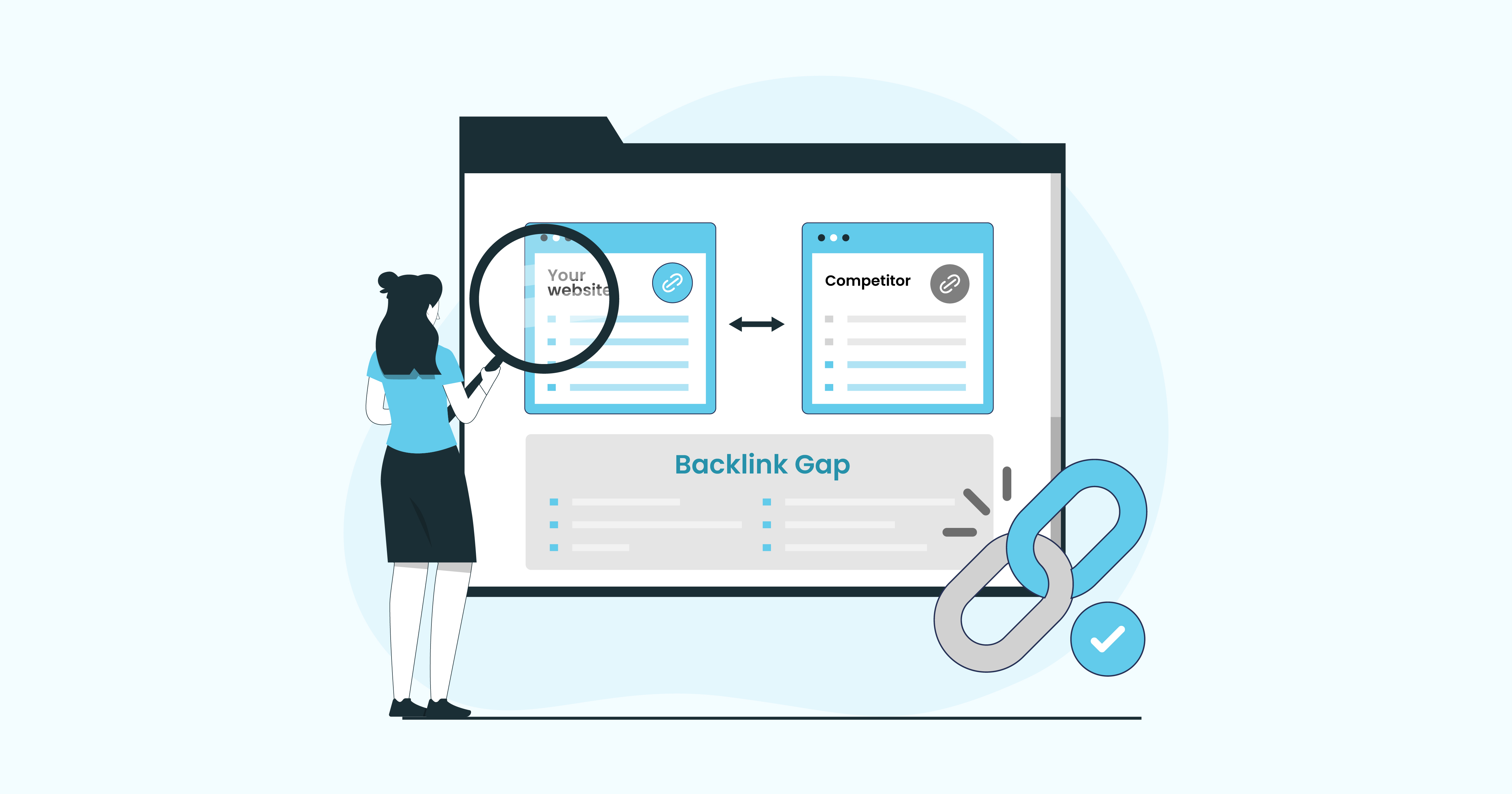
How a Content Refresh Turns into New Links
We can add a section and mention:
- Re-pitch the refreshed URL to journalists/site owners who linked to older versions
- Add original assets that earn links: benchmarks, proprietary stats, templates, calculators. (We have already hinted at this).
- Update internal links
This will make it LBHQ-relevant,
Does Adding a TL;DR Section Actually Help AI Visibility?
Data shows that 44.2% of all LLM citations come from the first 30% of a piece of text, which means your introduction and early summary sections carry enormous weight.
Adding a short TL;DR block at the top of a refreshed post that summarizes the most citable claims dramatically increases the number of self-contained passages that can be quoted accurately. Some publishers also add a “Key Takeaways” section at the end. Both approaches work and improve the experience for human readers and AI scanning.
How Does E-E-A-T Affect Whether AI Cites Your Content?
If your post doesn’t have a named author with verifiable credentials, or if the author page is a generic “Editorial Team” byline with no external presence, it’s due for a content refresh.
Authorship alone isn’t enough. You should be actively looking for opportunities to add an original perspective. A stat you pulled from Semrush is great, but a stat from your own client data is better because it’s something AI systems can’t find elsewhere, and makes your content more valuable and citable.
Tip: Use case studies or proprietary data, with phrases like “in our analysis of 500 campaigns” or “based on work with clients across these industries” to signal expertise.
Does Schema Markup Help You Appear in AI Overviews?
If your post answers specific questions, the FAQ schema makes those answers machine-readable. Think of it as putting up signposts for AI systems so they know exactly where to look. It takes maybe 20 minutes to implement, and it’s one of the first things you should fix during a content refresh for AI search.
Googlebot is what feeds Google’s AI Overviews, so that’s your starting point. Just make sure it’s not blocked in your robots.txt. Beyond that, it gets a bit more nuanced. GPTBot (OpenAI), PerplexityBot, and ClaudeBot all crawl independently, and whether to have them on your site is a strategic call. Allow them if you want your content to show up in ChatGPT or Perplexity answers. Block them if you’d rather not have your content fed into LLM training data.
If your site runs on Cloudflare, go check your bot management settings. As of July 2025, every new domain added to Cloudflare blocks all AI crawlers by default, and plenty of existing site owners have switched it on without realizing it also blocks the bots that power AI search results like ChatGPT and Perplexity, not just training crawlers.
What Does Google Search Console Tell You About AI Visibility?
After substantial updates, use URL Inspection to request indexing so Google discovers changes faster, but treat it as a request, not a guarantee. For AI search performance, look for referral traffic from ChatGPT, Perplexity, and similar platforms in GA4 as either direct or referral, depending on how the platform handles attribution.
The compounding effect of a well-executed content refresh for AI search is undeniable and definitely worth the effort. A page once cited is more likely to be cited again, but those that become stale will gradually drop out of AI responses.
Updating the publication date without any other substantial changes is not enough, and that’s straight from the horse’s mouth. It’s also not enough to simply refresh screenshots while leaving outdated statistics, and adding an AI-friendly structure to content that lacks genuine expertise is just a well-formatted page that nobody cites.
This tells us that the underlying principle of content refresh for AI search is the same as good content in any era: be useful, be clear, be specific, and give people something unique that adds value.