
For years, if your site got hit with a Google manual action, it was no big deal. You cleaned things up, submitted a reconsideration request, and after a while, you were back on track. That safety net may no longer exist. Google penalties in 2026 are increasingly feeling less like temporary suspensions and more like permanent bans. Reconsideration requests are being rejected at a dramatically higher rate despite doing everything right. And that changes the entire way we need to think about SEO.
What’s Changed with Google Penalties in 2026?
Let’s start with what we thought we knew. Historically, the Google penalty process had a pretty straightforward path to discovery. You get notified of the issue via Google Search Console, fix it, submit a reconsideration request, and wait for reinstatement.
Now, however, despite deleting low-quality AI-generated pages, fixing technical issues flagged in Search Console, and disavowing backlink profiles, Google is still rejecting sites. This is because Google is no longer interested in whether you fixed the issues, but whether it can trust your site again based on its overall track record.
The implications of this for SEO professionals, content creators, and online business owners are massive. Think of it like a restaurant that repeatedly fails health inspections. Eventually, even if they pass one inspection, the local authority may decide that the pattern of behavior is disqualifying on its own.
Why Is This Happening Now?
There are also a few concurrent factors at play while Google proceeds in this direction:
- There’s simply too much AI spam to deal with one site at a time because millions of low-quality AI-generated pages are being published every single day. Google can’t keep up manually, so it’s leaning more heavily on automated systems that look at your site as a whole rather than on a page-by-page basis.
- Google’s algorithm has gotten much smarter and can detect manipulation patterns across an entire website or brand. Once you’re flagged at that level, it’s very hard to change the system’s mind about you.
- Letting sites back in keeps backfiring — Google has reinstated penalized sites before, only to watch them go straight back to the same tricks. At some point, the math stops making sense. Protecting the quality of search results is simply more important than giving bad actors another shot.
How to Build a Strategy for Google Penalties 2026
The best way to recover from a Google penalty is never to earn one in the first place. But there are certain measures you can take to make your website penalty-proof. Here’s what that looks like in practice.
-
Prioritize BOFU
Content that serves bottom-of-the-funnel audiences tends to perform well because it aligns with real user intent. It doesn’t need to be propped up by manipulative tactics to rank, because it’s genuinely useful at exactly the right moment. When your content strategy is built around serving that kind of intent, you’re creating assets Google wants to rank — not pages it needs to scrutinize.
-
Build Links Gradually and Naturally
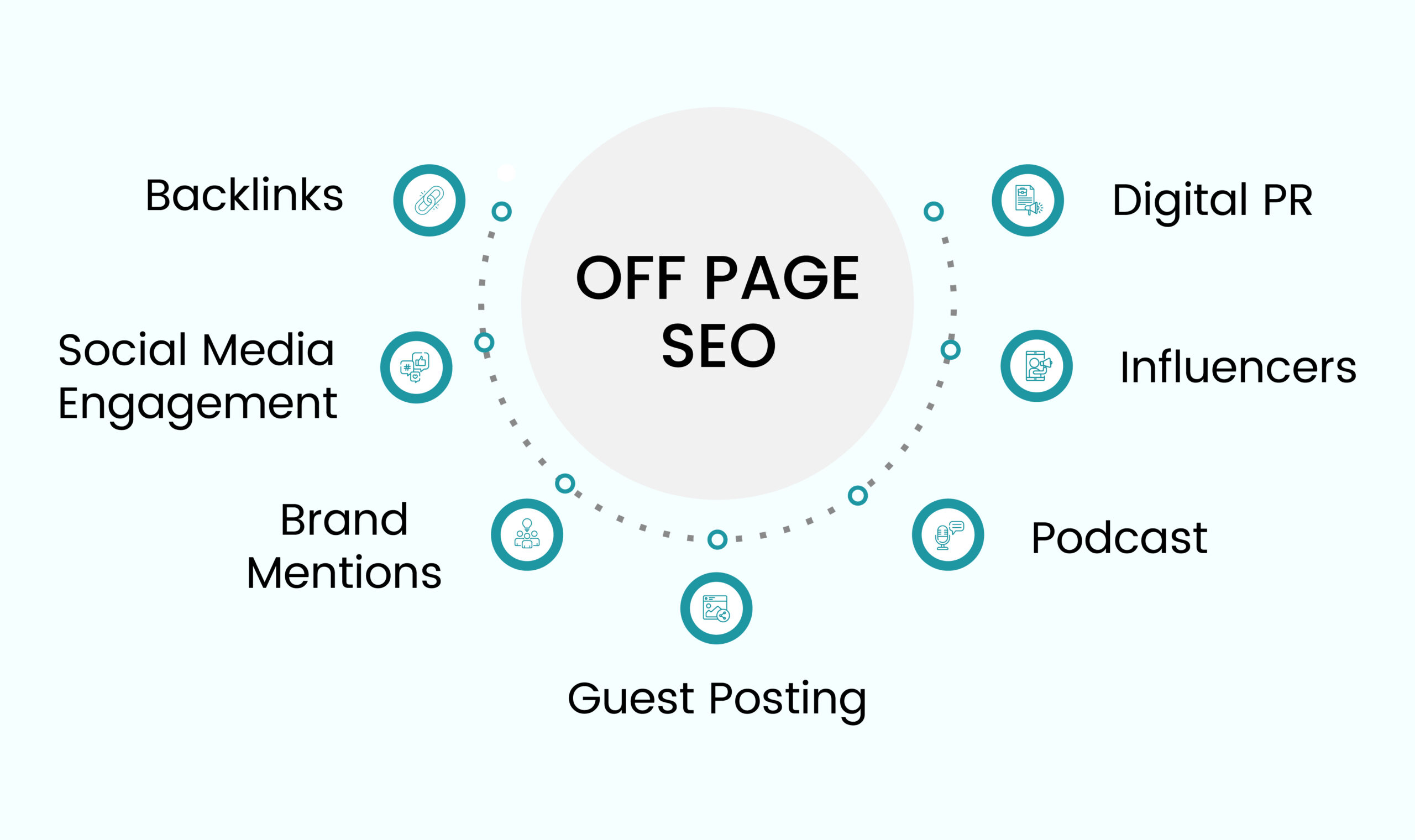
A penalty-proof link profile grows the way a real business’s reputation grows: steadily, through consistent outreach, genuine relationships, and content people actually want to quote. Ten high-quality links earned over three months will always outperform a hundred low-quality links acquired in a week, and the former strategy is also less risky.
-
Market Authenticity
When your brand earns mentions through marketing initiatives, you build a footprint of co-citations, branded searches, and editorial links that reflect real-world authority rather than manufactured signals.
-
Create Transparent Content
Transparent content means being clear about who wrote it, why it was written, and who it’s meant to help. Make sure you cite sources, acknowledge limitations, and strive for publishing accurate content over keyword density. Websites that have nothing to hide have nothing to fear.
Final Takeaway
Given Google’s current trajectory in enforcing penalties, black-hat SEO practices are bound to disappear. The next could be grey hats. But what remains evergreen is value creation. So, the best way forward would be to, focus on building something real, tell people about it honestly, and earn your rankings the way any reputable business earns its reputation.